Snow your limits. Drive for winter
Speed limits are set for dry roads and clear skies. Snowdrifts, flurries and black ice are far from ideal road conditions. When winter hits, your driving needs a cold-weather adjustment.
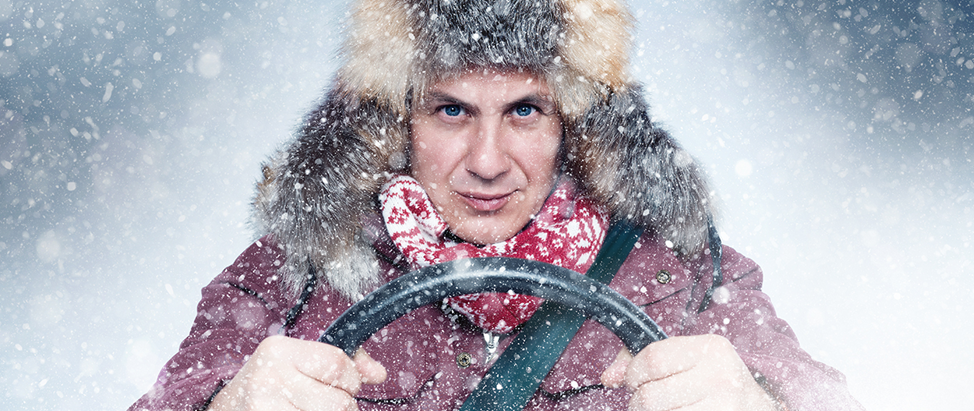
Ice, ice maybe…slow down
Driving over the limit or too fast for the conditions is one of the top factors in fatal crashes on Manitoba roads.
Stay frosty. Stay back
Did you know that ice on roads at -1C is twice as slippery as ice at -18C? When driving on ice and snow, leave more room between you and the vehicle ahead. Stopping on ice takes longer, and that extra space could prevent a collision. Best practice? Double your normal following distance on winter roads.
Let Manitoba road crews clear the way
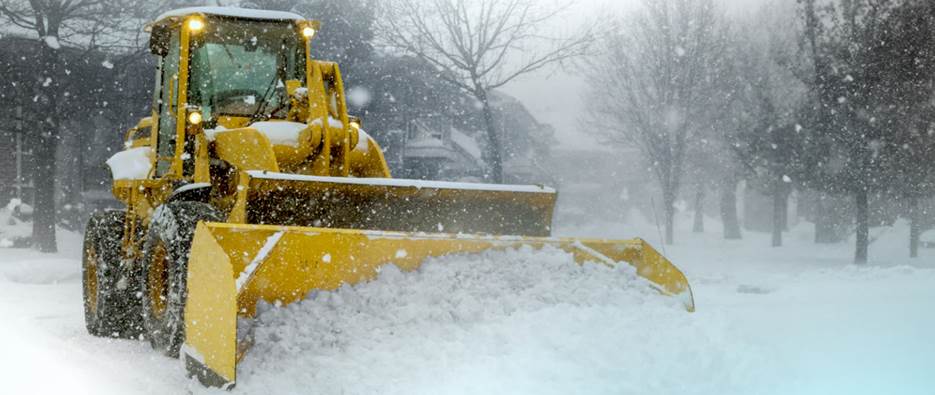
When you see a snowplow or sander this winter, stay back and proceed with caution. New Manitoba rules require drivers to give winter road workers plenty of space.
- In a 60 km/h zone, stay at least 30 metres back (about two school buses).
- In an 80 km/h zone, keep 100 metres back (around four school buses).
These road workers make it possible to drive on Manitoba roads during winter. Help them do their job safely by slowing down, staying back and passing only when it’s safe.
Don’t drive flurrious
Brush off every window, mirror and headlight before you hit the road. If you can’t see clearly, you can’t drive safely.
Slip happens
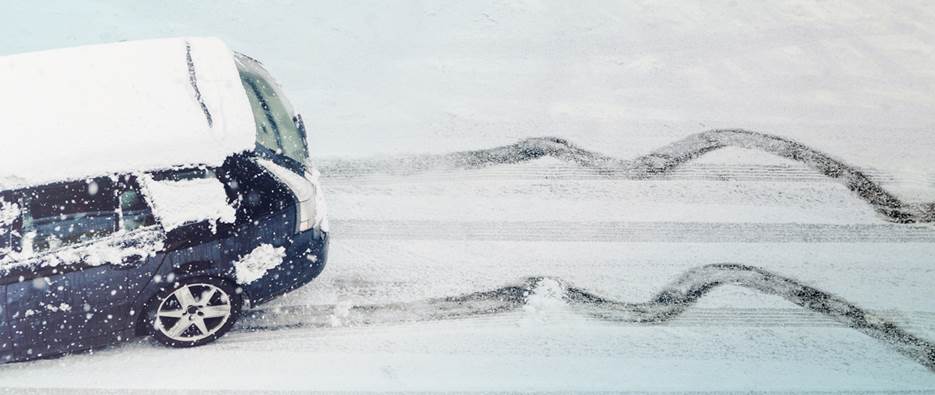
If your vehicle begins to skid on ice, ease off the accelerator and steer gently in the direction you want to go. Keep your eyes on your target path and avoid slamming the brakes, which can worsen the skid. Once the tires regain traction, make small corrections to stabilize the vehicle.
Drive cool, stay safe
Winter driving takes longer. Rushing on icy roads increases your crash risk.
Ice and snow. It’s going to happen. Plan ahead and drive for winter.